Description
ASTM A790 Duplex Stainless Steel Pipe 2205 / 2003 / 2101 / 2304 / 2507 for Condensers
Material Overview
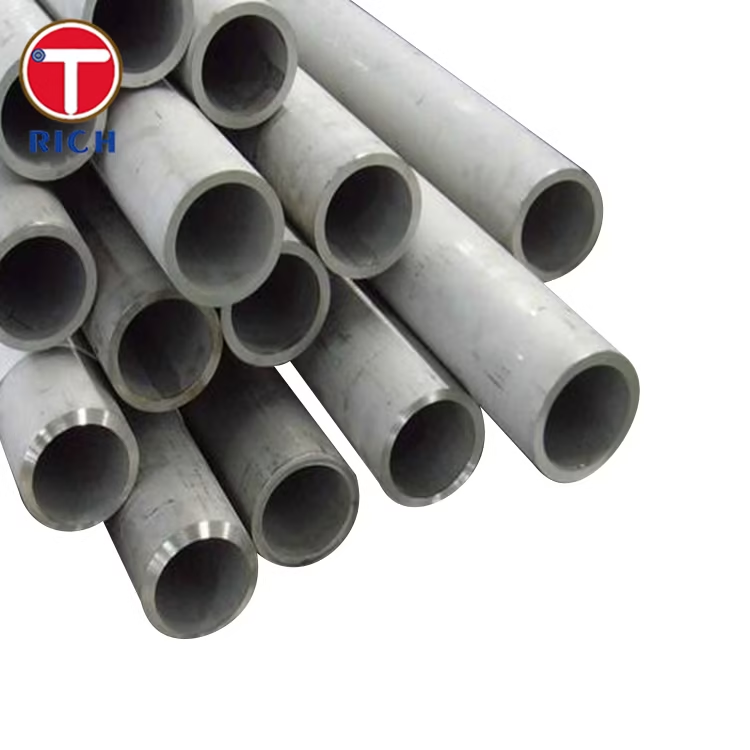
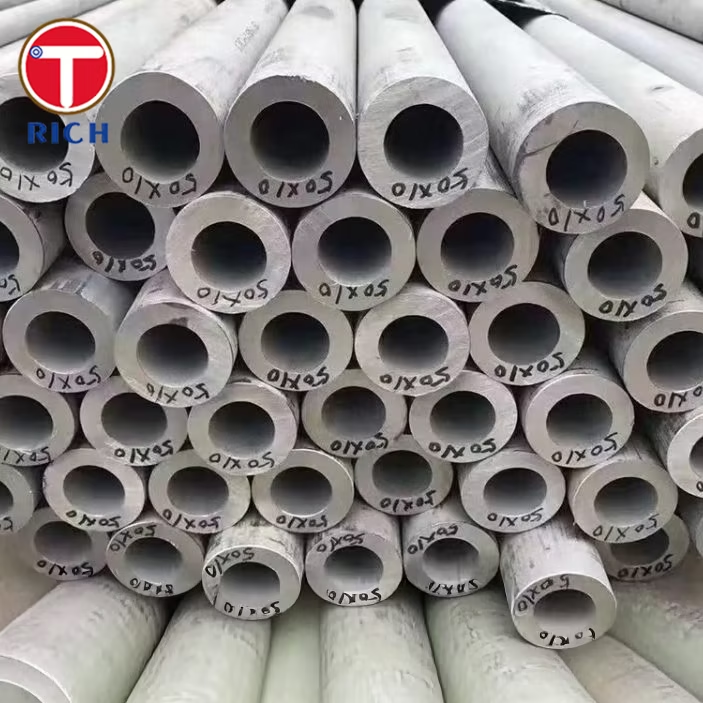
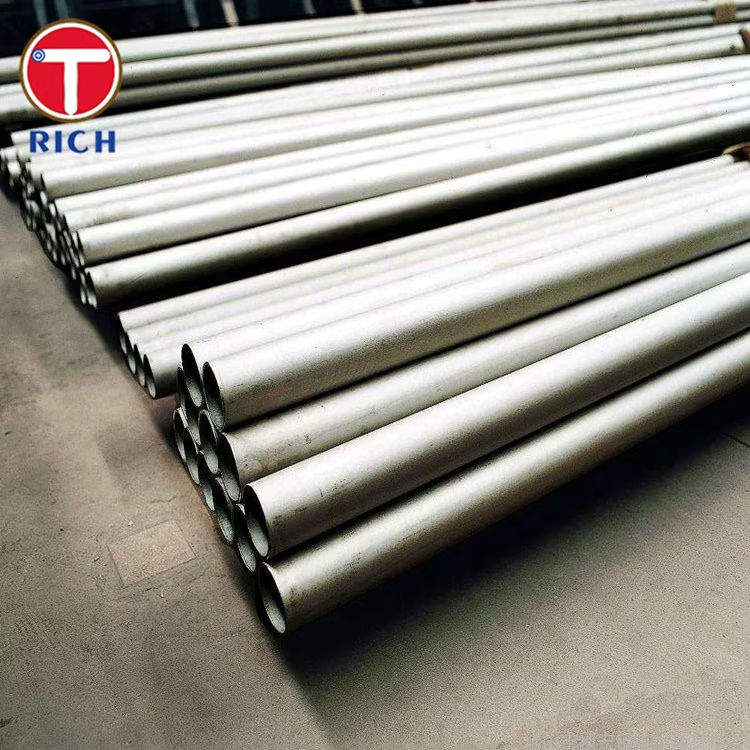
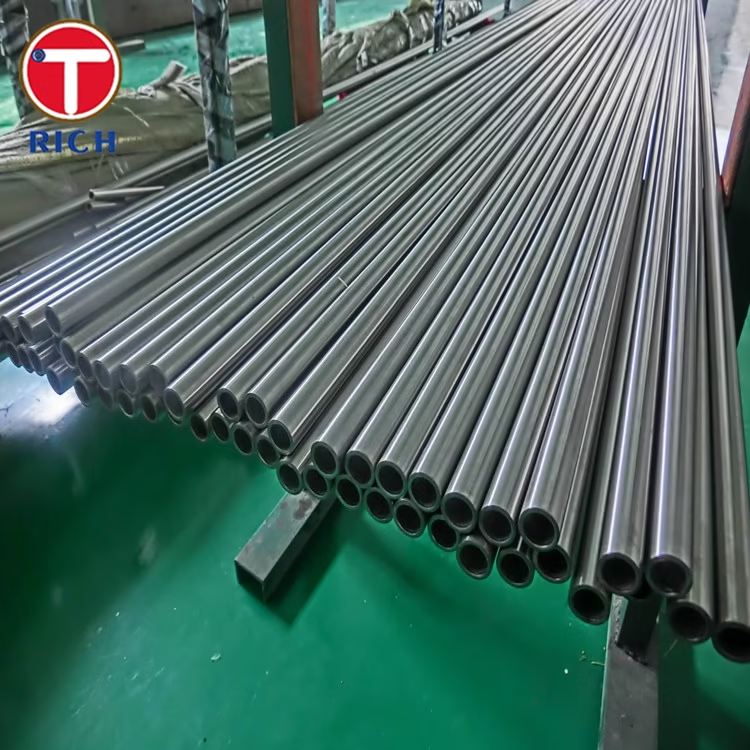
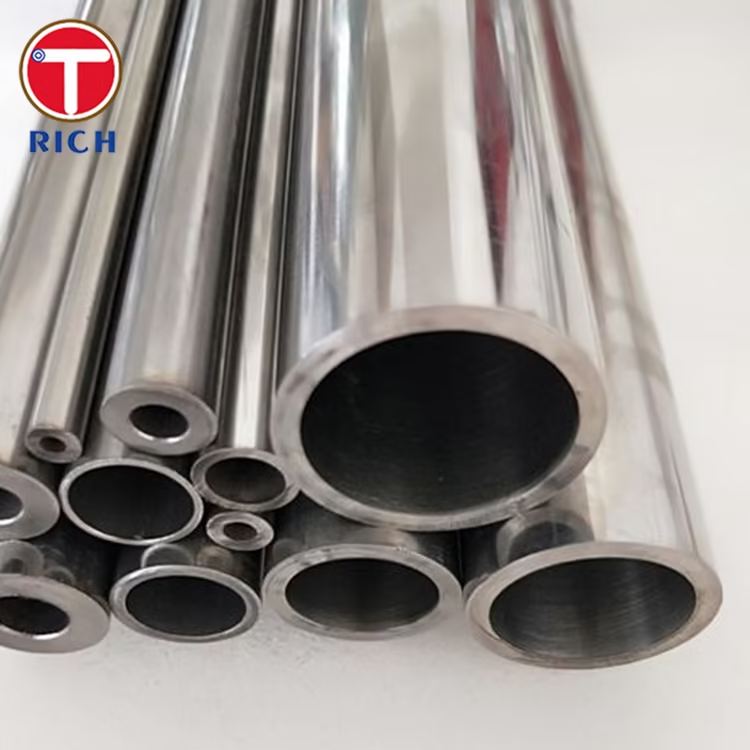
ASTM A790 duplex stainless steel pipe are seamless or welded ferritic–austenitic stainless steel pipes designed for general corrosive service, with particular emphasis on resistance to chloride stress corrosion cracking and localized corrosion.
This product range focuses on the following duplex and lean / super-duplex grades:
-
2205 (UNS S32205) – workhorse duplex with high strength and excellent seawater and process-media corrosion resistance.
-
2003 (UNS S32003) – lean duplex with similar strength to 2205 but lower alloying content for better cost efficiency.
-
2101 (UNS S32101) – lean duplex with very low Ni and almost no Mo, offering high strength and competitive price as an alternative to 304/316.
-
2304 (UNS S32304) – 23Cr, Mo-free duplex designed for moderate-chloride cooling water and structural duties.
-
2507 (UNS S32750) – super duplex with very high Cr, Mo and N for severe chloride, high-pressure and high-temperature conditions.
These grades provide approximately twice the yield strength of 316L austenitic stainless steel, enabling thinner walls, reduced weight and longer service life in condensers and heat-exchanger systems handling seawater, brackish water and aggressive process media.
Specifications
Standard:
-
ASTM A790 / A790M – Seamless and Welded Ferritic/Austenitic Duplex Stainless Steel Pipe
Available grades (pipes for condenser service):
-
Duplex: 2205 (UNS S32205), 2304 (UNS S32304), 2003 (UNS S32003), 2101 (UNS S32101)
-
Super duplex: 2507 (UNS S32750)
Manufacturing routes:
-
Seamless cold-drawn or hot-finished
-
Longitudinally or spirally welded pipe with 100% weld seam inspection
Size range (typical capability – customizable on request):
-
Outside diameter: approx. 6 – 1016 mm (NPS 1/8″ – 40″)
-
Wall thickness: approx. 0.8 – 40 mm
-
Lengths: fixed length, double random, or U-bent condenser tubes
Delivery condition:
-
Solution annealed and rapidly quenched
-
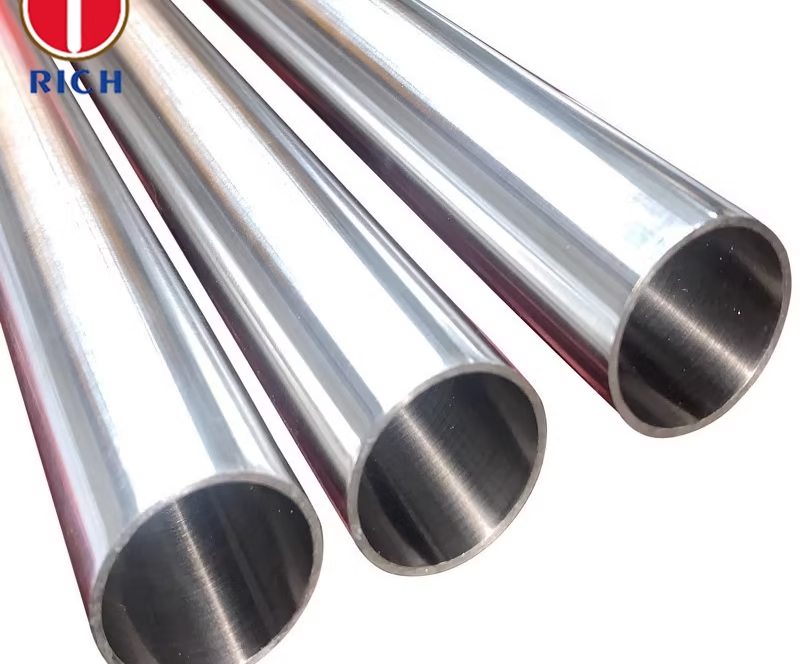
Pickled / bright finished, with clean ID suitable for condenser and heat-exchanger expansion
End finishes:
-
Plain ends (PE) for small condenser tubes
-
Beveled ends (BE) for process piping connections
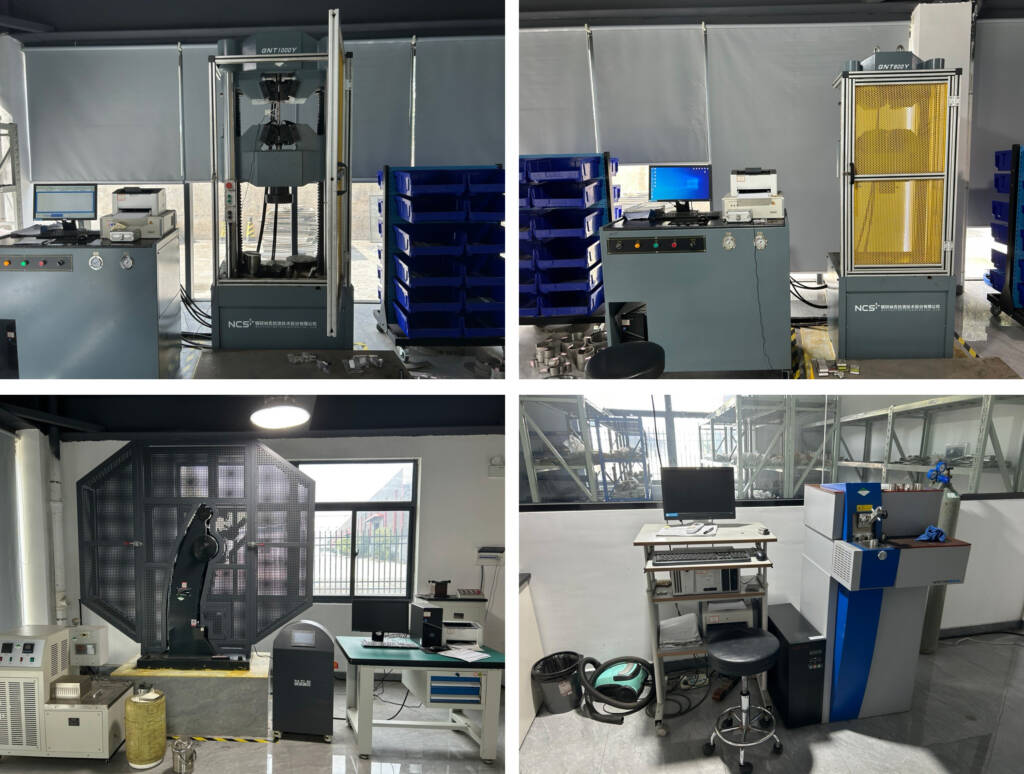
Testing (per ASTM A790 + optional supplementary requirements):
-
Chemical analysis and mechanical testing
-
Hydrostatic or non-destructive electric test (ET/UT) for each pipe
-
Dimensional and visual inspection
-
Optional: PMI, intergranular corrosion test, ferrite measurement, impact test, corrosion testing in chloride media
Key Features
-
High resistance to seawater and chloride attack
Duplex and super duplex grades provide significantly higher pitting and crevice corrosion resistance than 316L, delivering superior performance in seawater, brackish water and cooling-water services. -
Excellent stress corrosion cracking (SCC) resistance
ASTM A790 duplex pipes are intended for chloride-containing environments where stress corrosion cracking is a concern. The duplex microstructure (approx. 50% ferrite / 50% austenite) offers markedly improved SCC resistance compared with austenitic grades in hot, chloride-bearing condensate and cooling streams. -
High mechanical strength with weight savings
Duplex stainless steels provide roughly double the yield strength of 304L/316L. Designers can reduce wall thickness while maintaining pressure integrity, lowering total condenser weight and support-structure loads and potentially improving heat-transfer efficiency. -
Optimized alloy selection for performance vs. cost
-
Lean duplex (2101, 2003, 2304) reduces nickel and molybdenum content without sacrificing strength, ideal for moderate-chloride cooling water and low-to-medium risk areas.
-
2205 is the “standard” duplex choice for most condensers handling seawater, mildly acidic media or CO₂-containing process streams.
-
2507 is selected for highly aggressive conditions – high chlorides, elevated temperatures or high design pressures – such as offshore platform condensers and desalination brine heaters.
-
-
Good weldability and fabrication properties
Duplex pipes can be welded using standard duplex filler metals while maintaining correct austenite–ferrite balance when heat input and interpass temperature are properly controlled. They show good formability for bending, U-bending and tube expansion when suitable tooling and procedures are used. -
Long service life and reduced lifecycle cost
The combination of high strength, low corrosion rate and SCC resistance typically results in longer inspection intervals, fewer unplanned shutdowns and lower replacement frequency than 316L or copper alloys in similar conditions.
Our Advantages
-
Tailored grade selection for real operating conditions
We offer the full duplex spectrum (2101 / 2003 / 2304 / 2205 / 2507) under ASTM A790, allowing precise matching of corrosion resistance to your actual chloride content, temperature and oxygen level. For warm seawater or high-chloride condensers, we recommend 2205 as a robust baseline and 2507 for the most aggressive conditions. -
Strict quality control and full traceability
Pipes are delivered solution annealed, with controlled metallurgical phase balance and hardness within ASTM A790 limits for duplex grades. Each production batch is subjected to hydrostatic or non-destructive electric testing, dimensional inspection, and is supplied with traceable inspection and test certificates. Additional tests can be specified to meet project or end-user requirements. -
Compatibility with international codes and project specifications
Our duplex pipes are engineered and manufactured in accordance with ASTM A790, with matching or compatible material designations under EN, GB, JIS and GOST standards. This facilitates approval by international engineering companies and end-users and simplifies material take-off and specification for global projects. -
Fabrication support for condensers and heat exchangers
Our duplex pipes are suitable for U-bending, tube expansion and welding in condenser bundles. Qualified fabrication procedures ensure weld seam integrity, correct phase balance and corrosion performance comparable to the base metal. We can provide guidance on bending radii, expansion parameters and recommended welding procedures to support your fabrication workshop or EPC partner. -
Optimization of CAPEX and OPEX
By combining lean duplex grades (2101 / 2003 / 2304) in low-risk zones with 2205 or 2507 in critical hot-spot areas, we help you optimize both initial investment and long-term operating cost. This mix-and-match strategy maintains safety and reliability while reducing alloy over-specification.
Chemical Composition
| Grade | UNS | C (max) | Si (max) | Mn (max / range) | P (max) | S (max) | Cr (wt%) | Ni (wt%) | Mo (wt%) | Cu (wt%) | N (wt%) |
|---|---|---|---|---|---|---|---|---|---|---|---|
| 2205 | S32205 | 0.03 | 1.00 | 2.00 | 0.03 | 0.02 | 22.0 – 23.0 | 4.5 – 6.5 | 3.0 – 3.5 | — | 0.14 – 0.20 |
| 2003 | S32003 | 0.03 | 1.00 | 2.00 | 0.03 | 0.02 | 19.5 – 22.5 | 3.0 – 4.0 | 1.5 – 2.5 | — | 0.14 – 0.20 |
| 2101 | S32101 | 0.04 | 1.00 | 4.0 – 6.0 | 0.04 | 0.03 | 21.0 – 22.0 | 1.35 – 1.70 | 0.10 – 0.80 | 0.10 – 0.80 | 0.20 – 0.25 |
| 2304 | S32304 | 0.03 | 1.00 | 2.50 | 0.04 | 0.04 | 21.5 – 24.5 | 3.0 – 5.5 | 0.05 – 0.60 | 0.05 – 0.60 | 0.05 – 0.20 |
| 2507 | S32750 | 0.03 | 0.80 | 1.20 | 0.035 | 0.02 | 24.0 – 26.0 | 6.0 – 8.0 | 3.0 – 5.0 | ≤ 0.50 | 0.24 – 0.32 |
Mechanical Properties
| Grade | UNS | Condition / Product Form | Tensile Strength, min (MPa) | 0.2% Yield Strength, min (MPa) | Elongation, min (%) | Hardness (HBW, max) |
|---|---|---|---|---|---|---|
| 2205 | S32205 | ASTM A790 pipe, solution annealed | 655 | 450 | 25 | 290 |
| 2003 | S32003 | Duplex steel, plate/pipe (typical) | 620 | 450 | 25 | — |
| 2101 | S32101 | Duplex steel 2101, general products | 650 | 450 | 30 | 290 |
| 2304 | S32304 | ASTM A790 pipe, solution annealed | 600 | 400 | 25 | 290 |
| 2507 | S32750 | Super duplex pipe, solution annealed | 795–800 | 550 | 15 | 300–310 |
Applicable Standards
ASTM / ASME
-
ASTM A790 / A790M – Seamless and Welded Ferritic/Austenitic Duplex Stainless Steel Pipe (including grades 2205, 2304, 2507, 2101, 2003)
-
ASTM A789 / A789M – Seamless and Welded Ferritic/Austenitic Stainless Steel Tubing for General Service
-
ASME SA-790 / SA-789 – ASME-adopted versions for pressure equipment and piping
EN / ISO (Europe)
-
EN 10216-5 – Seamless stainless steel tubes for pressure purposes, including duplex grades 1.4462 (2205), 1.4362 (2304), 1.4162 (2101) and 1.4410 (2507)
-
ISO 15510 – Stainless steels – Chemical composition, listing duplex grades corresponding to 2205, 2304, 2101 and 2507
GB (China)
-
GB/T 21833.1-2020 – Seamless austenitic-ferritic (duplex) stainless steel tubes and pipes – Part 1: Pipes for heat-exchanger service
-
GB/T 21833.2-2020 – Seamless austenitic-ferritic (duplex) stainless steel tubes and pipes – Part 2: Pipes for fluid service
-
GB/T 14976 – Seamless stainless steel pipes for fluid transport
GOST (Russia / CIS)
-
GOST 5632 – High-alloy, corrosion-resistant steels, including duplex-grade equivalents
-
GOST 9941 – Seamless corrosion-resistant stainless steel tubes
JIS (Japan)
-
JIS G 3459 – Stainless steel pipes for corrosion-resisting service; duplex grades can be supplied under this standard where project specifications require JIS designation
Application Fields
General Application Areas
ASTM A790 duplex and super Duplex Stainless Steel Pipe are widely used in:
-
Power plant condensers and cooling-water systems
-
Petrochemical and refinery heat exchangers
-
Offshore and onshore oil & gas processing (coolers, condensers, separators)
-
Desalination and water-treatment units (brine heaters, evaporators, condensers)
-
Pulp and paper digesters, evaporators, black-liquor recovery systems
-
Chemical processing and fertilizer plants
Specific Use in Condenser and Heat-Exchanger Systems
-
Condenser tubes (straight and U-bend)
-
Duplex 2205 and 2304 are commonly used as condenser tube materials where seawater or industrial cooling water circulates on the shell or tube side, providing improved pitting and crevice corrosion resistance compared to 316L.
-
-
Surface condensers in power plants
-
Duplex pipes resist erosion–corrosion from high-velocity cooling water, reduce tube failures and allow wall-thickness reductions that improve heat-transfer efficiency and service life.
-
-
Desalination condensers and brine coolers
-
Super duplex 2507 is used where hot, highly concentrated brine creates extreme chloride load and high risk of localized corrosion or SCC, especially in multi-stage flash and RO-based plants.
-
-
Offshore and marine cooling systems
-
Duplex pipes in grades 2205 and 2507 are installed in platform condensers, coolers and auxiliary systems where weight savings and resistance to splash-zone and under-deposit corrosion are crucial.
-
-
Chemical and petrochemical process condensers
-
Lean duplex grades 2003 and 2101 provide a cost-effective solution where process media are mildly to moderately corrosive but higher mechanical strength and SCC resistance are still required.
-